
Preparing Your Home with State Generators: Power Outage Generator Tips
- benb575
- Jan 12
- 4 min read
Power outages can strike without warning. When they do, your home’s comfort and safety depend on your preparation. Installing a reliable standby generator is the best way to keep your home powered during outages. I will share practical power outage generator tips to help you prepare your home effectively. These tips focus on choosing, installing, and maintaining a generator that fits your needs.
Why You Need a Standby Generator
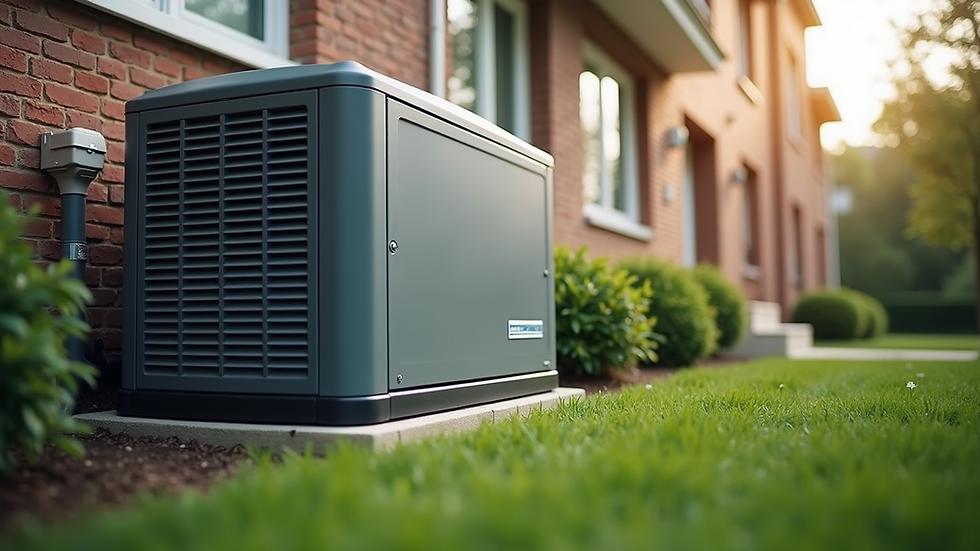
Power outages are more frequent and last longer in many areas. A standby generator provides automatic backup power. It turns on within seconds of an outage, keeping your essential appliances running. This means no spoiled food, no frozen pipes, and no discomfort.
Here are key reasons to invest in a standby generator:
Automatic operation: No need to start it manually.
Power for the whole home: Runs multiple appliances at once.
Increased home value: A generator is a valuable home upgrade.
Peace of mind: Stay safe and comfortable during storms or blackouts.
If you live in Ventura County or Los Angeles, you know how important it is to be ready. I recommend checking out state generators westlake village for reliable options and expert installation.

Power Outage Generator Tips for Choosing the Right Unit
Choosing the right generator is critical. You want a unit that matches your home’s power needs without overspending. Here’s how to pick the best generator:
Calculate your power needs
List all appliances and systems you want to power during an outage. Include refrigerators, HVAC, lights, medical devices, and security systems. Add their wattage to find your total power requirement.
Choose the right size
Generators come in different sizes, measured in kilowatts (kW). A small unit might power just essentials, while a larger one can run your entire home. Oversizing wastes money; undersizing leaves you without power for some devices.
Fuel type matters
Most standby generators run on natural gas or propane. Natural gas is convenient if you have a gas line. Propane offers longer storage but requires tank refills. Choose what fits your home and budget.
Look for automatic transfer switches
This device switches your home’s power source to the generator automatically during an outage. It ensures seamless power without manual intervention.
Check noise levels
Some generators are quieter than others. If noise is a concern, look for models with sound-reducing features.
Consider professional installation
Proper installation is essential for safety and performance. Licensed professionals will handle permits, wiring, and setup.
Installation and Maintenance Tips for Your Generator
Installing a standby generator is a big step. Follow these tips to ensure your system works when you need it most:
Hire certified installers
Professionals know local codes and safety standards. They will place the generator in the best location, usually outside and away from windows or vents.
Get necessary permits
Your city or county may require permits for installation. Your installer should handle this.
Test the system regularly
Run your generator monthly to keep it in good condition. This prevents surprises during an actual outage.
Schedule annual maintenance
Like any machine, generators need tune-ups. Change oil, replace filters, and check battery health yearly.
Keep fuel supply ready
If your generator uses propane, ensure your tank is full. For natural gas, confirm your supply is uninterrupted.
Install carbon monoxide detectors
Generators produce carbon monoxide. Detectors keep your family safe by alerting you to dangerous levels.

How to Use Your Generator Safely During an Outage
Safety is the top priority when using a generator. Follow these guidelines to protect your home and family:
Never run a generator indoors
Always place it outside in a well-ventilated area.
Keep it dry
Protect the generator from rain or snow but do not enclose it.
Use proper extension cords
Use heavy-duty cords rated for outdoor use and the generator’s power output.
Turn off the generator before refueling
Fuel spills can cause fires if the generator is running.
Avoid backfeeding
Do not plug the generator into a wall outlet. This can endanger utility workers and damage equipment.
Know your transfer switch
Understand how your automatic transfer switch works. It isolates your home’s wiring from the grid safely.
Preparing Your Home for Electrical Upgrades and Future Outages
A standby generator is a smart investment for today and tomorrow. Here’s how to prepare your home for electrical upgrades and future power needs:
Plan for increased power demand
If you plan to add electric vehicles, heat pumps, or other high-demand appliances, choose a generator that can handle future loads.
Upgrade your electrical panel
Older panels may not support a generator connection. Consider upgrading to a modern panel with a transfer switch.
Install surge protection
Protect your electronics from power surges when the generator switches on and off.
Keep emergency supplies ready
Stock flashlights, batteries, and non-perishable food. A generator helps, but being prepared is key.
Stay informed about incentives
Some local programs offer rebates or tax credits for generator installation. Check with your installer or local government.
By following these tips, you can ensure your home stays powered and safe during outages. A standby generator is more than a convenience - it’s a necessity for reliable home power.
Power outages don’t have to disrupt your life. With the right generator and preparation, you can keep your home running smoothly. If you want fast, professional service, consider state generators westlake village. They specialize in helping homeowners like you get ready for any power loss. Don’t wait for the next outage - prepare your home today.


Comments